
"raw coffee caffeine"
5000 article(s) found

China Coffee Network caffeine and decaf raw bean label interpretation: EP,SWP and decaf
Caffeine and decaf caffeine, caffeine, is a natural ingredient in coffee. In addition to coffee, many foods we come into contact with in our daily life also contain this ingredient, such as tea, chocolate, cola, cold medicine and so on. In order to cater to a variety of tastes, coffee beans are sometimes decontaminated to get the familiar decaf, decaffeinated c
The production process and principle of decaf coffee with only a small amount of caffeine
The so-called decaffeinated coffee, as its name implies, is coffee with only a small amount of caffeine. Coffee contains many ingredients and substances, among which caffeine has an obvious effect on the human body. For many people who are addicted to coffee but whose physical condition does not allow caffeine, decaf is the best choice. Generally speaking, Arabica coffee beans contain

Coffee raw bean label: explanation of "GP", "EP" and "SWP"
The words EP or SWP sometimes appear on raw bean labels, which are two common ways to remove caffeine. Caffeine and decaf caffeine, caffeine, is a natural ingredient in coffee. In addition to coffee, many foods we come into contact with in our daily life also contain this ingredient, such as tea, chocolate, cola, cold medicine and so on. (reference article: coffee
Coffee theory: what is decaf?
Decaf coffee, as its name implies, is coffee with only a small amount of caffeine. Coffee contains many ingredients and substances, among which caffeine has an obvious effect on the human body. For many people who are addicted to coffee but whose physical condition does not allow caffeine, decaf is the best choice. Generally speaking, Arabica coffee beans contain 1.1% and 1.7% in coffee beans.
The basic knowledge of fine coffee decaf coffee production process and principles
Decaffeinated coffee is coffee with only trace amounts of caffeine. Coffee contains many ingredients and substances, among which caffeine has a significant impact on the human body. Decaf coffee is the best choice for many coffee drinkers who are not physically fit to consume caffeine. In general, Arabica coffee beans contain

Boutique coffee knowledge what is decaf and how to handle it
Decaf coffee, as its name implies, is coffee with only a small amount of caffeine. Coffee contains many ingredients and substances, among which caffeine has an obvious effect on the human body. For many people who are addicted to coffee but whose physical condition does not allow caffeine, decaf is the best choice. Generally speaking, Arabica coffee beans contain 1.1% and 1.7% in coffee beans.

Popular decaf coffee! Decaf coffee is a boon for people who can't drink caffeine!
Decaffeinated coffee is coffee with only trace amounts of caffeine. The caffeine content of brewed coffee should not exceed 0.3%. That means no more than 5mg of caffeine in a cup of decaf coffee (a cup of 236 ml coffee typically contains 50mg to 200mg). According to FDA standards, decaffeinated coffee has a caffeine removal rate of not less than 97%.
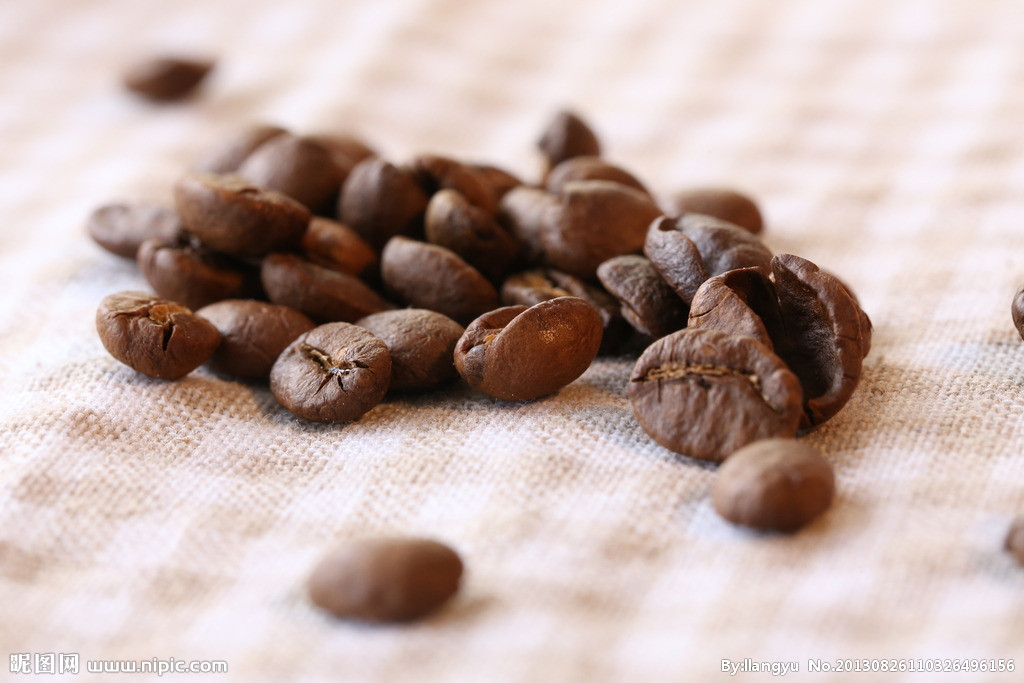
Introduction to the main points of world coffee bean knowledge: a detailed explanation of the production technology and principle of decaf coffee.
The so-called decaffeinated coffee, as its name implies, is coffee with only a small amount of caffeine. Coffee contains many ingredients and substances, among which caffeine has an obvious effect on the human body. For many people who are addicted to coffee but whose physical condition does not allow caffeine, decaf is the best choice. Generally speaking, Arabica coffee beans contain

2017 seasonal beans, coffee beans, Colombian decaf, Swiss water-treated coffee, fine coffee
Decaffeinated coffee is coffee with only a small amount of caffeine. The caffeine content in brewed coffee should not exceed 0.3%. In other words, a cup of decaf should contain no more caffeine than 5mg (usually a cup of 236mI coffee contains caffeine from 50mg to 200mg). According to the FDA standard of the US Food and Drug Administration, the caffeine removal rate of decaffeinated coffee is not less than 97%.
Where can I find decaffeinated coffee? how is decaffeinated coffee made? how much is a cup of decaf?
Professional coffee knowledge exchange more coffee bean information please follow the coffee workshop (Wechat official account cafe_style) the so-called decaf coffee is only a small amount of caffeine coffee. The caffeine content in brewed coffee should not exceed 0.3%. In other words, the caffeine in a cup of decaf should not exceed 5mg (usually a cup of 236mI coffee contains caffeine from 50mg to 200mg.

How to make decaf coffee _ recommended decaf coffee _ what is the price of decaf beans
Professional coffee knowledge exchange more coffee bean information Please pay attention to coffee workshop (Wechat official account cafe_style) caffeine and decaf coffee beans caffeine, caffeine, is a natural ingredient in coffee, in addition to coffee, many foods we come into contact with also contain this ingredient, such as tea, chocolate, cola, cold medicine and so on. It's on the label of raw beans.
Introduction to Bass Coffee treatment-- characteristics of low-caffeine Coffee treatment in Switzerland
Professional coffee knowledge exchange more coffee bean information please follow the coffee workshop (Wechat official account cafe_style) caffeine removal methods caffeine removal technology originated in Germany, has a history of more than 100 years. Up to now, there are three main caffeine removal methods: Swiss water method, solution method and super carbon dioxide method. And either way, caffeine removal

Can decaffeinated coffee refresh you? how to drink decaf beans? how to make decaf?
Professional coffee knowledge exchange more coffee bean information please follow the coffee workshop (Wechat official account cafe_style) want to avoid consuming too much caffeine, but also want to taste the flavor of coffee, there are several common ways to remove caffeine, in fact, not completely non-caffeinated, just a very small amount, the content < 2.5% can be called low-caffeinated coffee beans, the following is the production of low-caffeinated coffee beans

Advantages and disadvantages of low-caffeine beans story Starbucks low-caffeine coffee content low-caffeine coffee treatment method to remove caffeine
For more information on coffee beans, please follow the origin and development of low-caffeine and low-caffeine coffee in coffee workshop (Wechat official account cafe_style): why are all Swiss water-treated decaf coffees sold? At present, the common methods to remove caffeine are the use of organic solvents and the use of components.

Introduction to the characteristics of low-caffeine coffee beans treated with water in Xilado, Brazil _ how to make Brazilian low-caffeine coffee beans
Professional coffee knowledge exchange more coffee bean information please follow the coffee workshop (Wechat official account cafe_style) Brazil is located in southeastern South America, located in the tropics and subtropics, the unique geographical and climatic conditions are suitable for growing coffee. Brazilian coffee is famous all over the world for its high quality and strong flavor. it is the largest coffee producer and exporter in the world and is known as the coffee kingdom. Brazil

The difference between low-caffeine coffee and ordinary coffee in the processing process of Colombian Swiss water-washed coffee
Professional coffee knowledge exchange more coffee bean information please follow the coffee workshop (Wechat official account cafe_style) Colombian coffee basic knowledge and flavor description Swiss water treatment caffeine is a magical substance, many times in life you are unwittingly ingesting caffeine Swiss water low caffeine treatment introduction: Swiss Water Process, referred to as SWP, Switzerland low water

What is low-caffeine coffee? what is the flavor and taste characteristics of Colombian low-caffeine coffee beans?
Professional coffee knowledge exchange more coffee bean information please follow the coffee workshop (Wechat official account cafe_style) generally speaking, in coffee beans, Arabica coffee beans contain 1.1% to 1.7% caffeine, while Robusta coffee beans contain 2% to 4.5% d caffeine. Decaf coffee is required to contain no more than 0.3% caffeine in brewed coffee. In other words, a cup of decaf

Columbia supremo Swiss Water treatment process and principle of low-caffeine Coffee
Professional baristas please follow the coffee workshop (Wechat official account cafe_style) Swiss Water treatment (The Swiss Water or Water-Only Process): the use of commercially developed efficient treatment methods, there are two major steps. The first step is to pour the raw coffee beans into hot water, which will remove all the flavors from the raw coffee beans.

What kind of coffee is low in caffeine? Recommend Colombian Swiss water treatment decaffeinated coffee beans
Professional baristas please follow the coffee workshop (Wechat official account cafe_style) Swiss Water treatment (The Swiss Water or Water-Only Process): the use of commercially developed efficient treatment methods, there are two major steps. The first step is to pour the raw coffee beans into hot water, which will remove all the flavors from the raw coffee beans.

The Swiss Water-Only P.
Professional coffee knowledge exchange More coffee bean information Please pay attention to coffee workshop (Weixin Official Accounts cafe_style) Front Street Coffee Brief Description of Decaf Coffee Treatment The Swiss Water-Only Process Coffee decaf treatment is to treat the coffee beans before roasting to separate the caffeine in the coffee. The biggest challenge is to bring